In the spirulina industry, low setup cost is often marketed as a major advantage. Many new entrants are attracted by promises of minimal capital investment, quick installation, and rapid return on investment.
However, cheap spirulina setups frequently become expensive over time.
The problem is not frugality. It is structural underinvestment in engineered infrastructure, energy efficiency, compliance architecture, and scalability planning. What appears to be cost-saving at installation stage often translates into higher operating expenses, production instability, and costly retrofits later.
At Greenbubble, cost efficiency is evaluated over lifecycle economics – not just initial capital expenditure.
1. Poor Pond Design and Energy Escalation
Low-cost farms often adopt improvised pond structures with:
- Suboptimal geometry
- High hydraulic resistance
- Inconsistent lining quality
- Poor flow dynamics
These design flaws increase agitation load and electricity consumption.
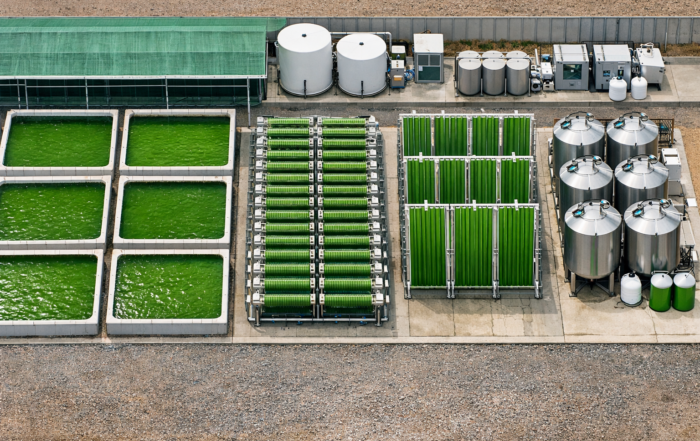
Properly engineered raceway ponds reduce drag, optimize flow circulation, and improve biomass uniformity.
When pond design is inefficient, electricity cost per kilogram increases every single production cycle. Over several years, cumulative energy waste can exceed initial savings from cheaper construction.
2. Inefficient Agitation Systems
Budget setups frequently use underpowered or poorly calibrated mixing systems.
Consequences include:
- Inconsistent nutrient distribution
- Dead zones within ponds
- Increased contamination risk
- Higher motor strain and failure
Precision-controlled efficient agitators improve mixing stability while reducing excess power draw.
Replacing failed agitation systems later is more expensive than installing optimized systems at the outset.
3. Low-Grade Drying Infrastructure
Drying is one of the most critical cost and quality drivers in spirulina production.
Cheap setups often rely on:
- Open sun drying
- Improvised enclosures
- Poor temperature control
Hidden long-term costs include:
- Nutrient degradation
- Microbial contamination risk
- Product rejection
- Reduced export eligibility
Commercial-grade spirulina drying equipment ensures controlled moisture reduction, consistent pigment retention, and lower rejection risk.
Cheap drying methods may reduce initial cost but significantly increase quality risk exposure.
4. Compliance Retrofit Expenses
Many low-cost farms postpone certification planning.
When aiming to access export or institutional markets later, they discover the need for:
- Hygienic zoning redesign
- Enclosed processing areas
- Documentation systems
- Laboratory integration
- Audit preparation
Retrofitting compliance is significantly more expensive than building it into the facility from day one.
Facilities developed through spirulina farming turnkey solutions integrate compliance architecture during initial construction, preventing future capital shocks.
5. Frequent Equipment Breakdown and Downtime
Lower-cost components typically:
- Have shorter lifespan
- Require frequent repair
- Increase downtime
- Lack manufacturer support
Production downtime carries hidden cost:
- Lost revenue
- Labour idle time
- Energy wasted during restart
- Buyer delivery delays
Lifecycle equipment planning reduces long-term financial leakage.
6. Labour Overdependence
Cheap setups often compensate for infrastructure limitations with manual labour.
This creates:
- Higher recurring wage expense
- Increased supervision burden
- Higher error rates
- Documentation inconsistency
Labour-intensive systems may appear affordable initially but generate escalating operating cost over time.
7. Yield Instability and Culture Loss
Inadequate design and monitoring increase probability of:
- Culture crashes
- Nutrient imbalance
- Contamination events
Each lost batch represents cumulative loss of:
- Energy
n- Nutrients - Labour
- Time
Yield volatility severely impacts revenue predictability and investor confidence.
8. Hidden Logistics and Packaging Costs
Small, low-cost operations often lack optimized packaging systems.
Consequences include:
- Higher per-unit packaging cost
- Freight inefficiency
- Limited bulk shipment capability
- Reduced negotiation leverage with buyers
These hidden costs compress margins even if cultivation cost appears low.
9. The Real Cost Curve Over Time
Cheap setups typically follow this trajectory:
- Year 1: Low capex, moderate output
- Year 2: Rising energy and labour costs
- Year 3: Equipment repairs and compliance upgrades
- Year 4: Buyer pressure for quality consistency
- Year 5: Major retrofit or system replacement
What began as a cost-saving strategy becomes a cumulative capital burden.
10. Financial Impact Summary
| Cost Area | Short-Term Saving | Long-Term Impact |
| Pond construction | Lower capex | Higher energy cost |
| Agitation | Lower equipment price | Motor replacement & inefficiency |
| Drying | Minimal setup cost | Product rejection & export loss |
| Compliance | Deferred expense | Expensive retrofit |
| Labour | Minimal automation | Rising recurring wages |
| Maintenance | Cheap components | Frequent downtime |
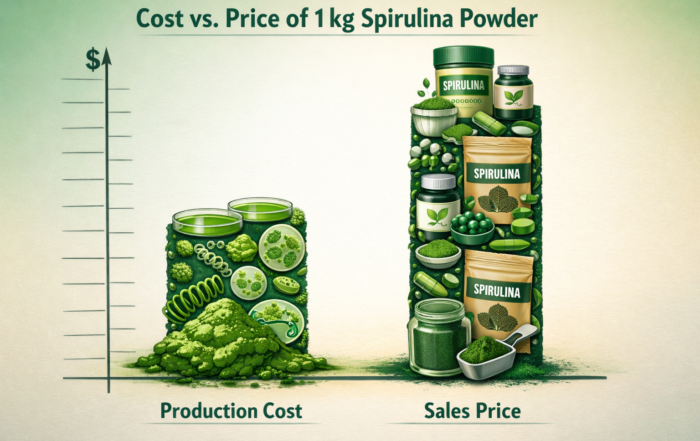
The total lifecycle cost of cheap systems often exceeds engineered alternatives.
11. Strategic Cost Perspective
Spirulina farming should be evaluated on:
- Cost per kilogram over 5–10 years
- Energy intensity benchmarking
- Yield stability metrics
- Compliance readiness
- Scalability pathway
Short-term capex savings rarely survive long-term operational reality.
Professional feasibility planning through spirulina farming consultancy ensures lifecycle cost clarity before investment decisions are made.
Frequently Asked Questions
Q1. Why are cheap spirulina farms attractive to new entrepreneurs?
Because low initial investment creates the perception of lower risk and faster payback.
Q2. What is the biggest hidden cost in cheap setups?
Energy inefficiency and yield instability typically create the largest long-term financial leakage.
Q3. Can a cheap setup be upgraded later?
Yes, but retrofit costs are often significantly higher than installing engineered systems from the beginning.
Q4. Does cheap equipment affect export eligibility?
Yes. Poor drying control and weak hygiene infrastructure increase rejection risk and limit certification eligibility.
Q5. How should spirulina investments be evaluated?
On lifecycle cost, operational stability, compliance readiness, and scalability – not on upfront capital expenditure alone.
Conclusion
Cheap spirulina setups are rarely cheap in the long run. Energy inefficiency, equipment breakdown, compliance retrofits, yield instability, and labour overdependence gradually erode margins and destabilize operations.
The real measure of cost efficiency is lifecycle economics. Farms designed with engineered infrastructure, optimized energy systems, and structured compliance architecture build predictable margins and scalable growth pathways.
In spirulina production, disciplined investment early prevents expensive correction later.
Make us your source on Google
Table Of Contents