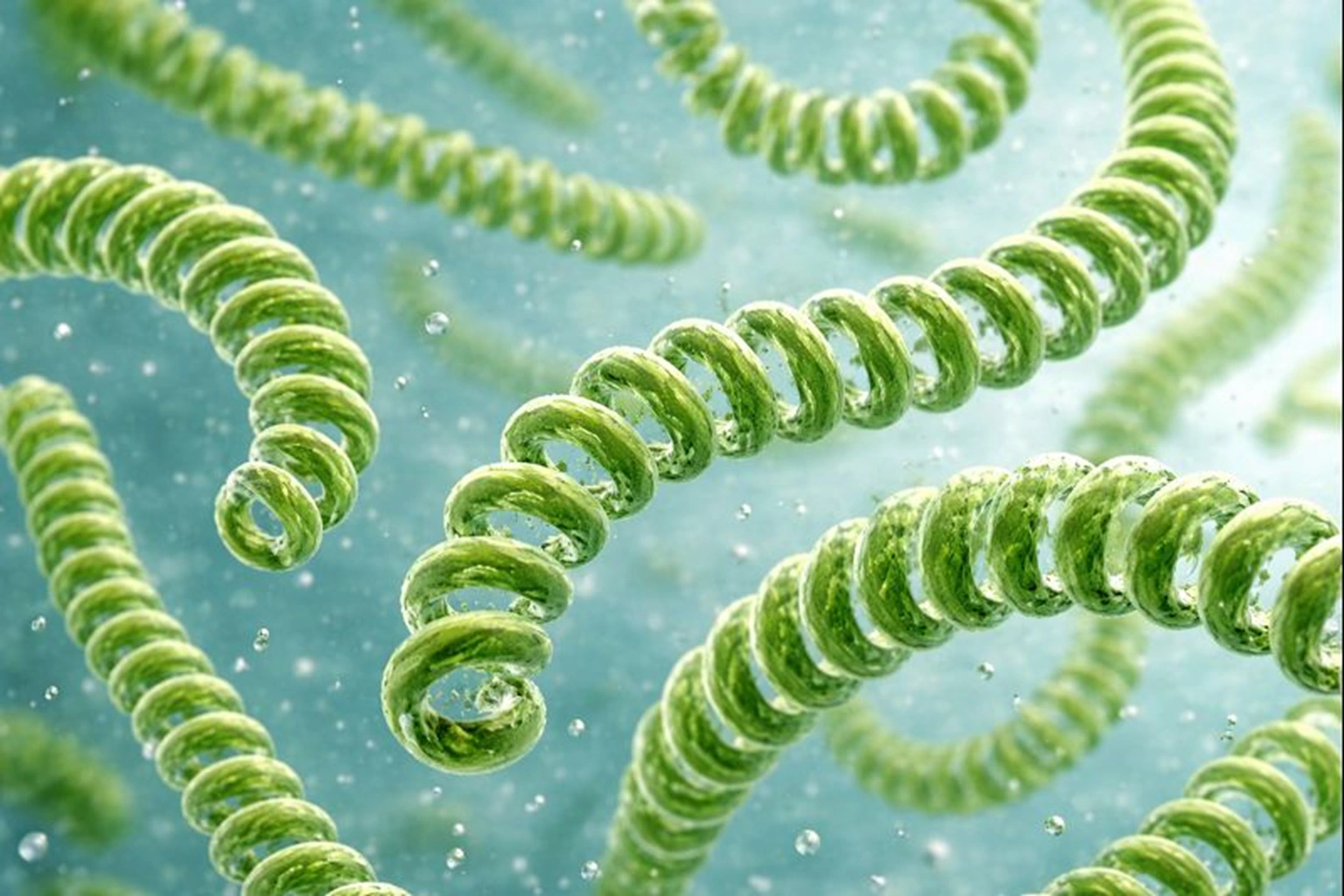
A culture crash is every spirulina farmer’s nightmare. It can happen suddenly – a vibrant green pond turns pale, slimy, or emits an unpleasant odor – leading to the loss of weeks or even months of effort. Understanding why crashes happen and how to prevent them is essential for ensuring consistent productivity and profitability.
Most crashes are caused by poor water quality, contamination, nutrient imbalance, or abrupt environmental changes. This article breaks down the top causes, signs, and prevention strategies to help you maintain healthy and resilient spirulina cultures.
For contamination management techniques, see How to Avoid Heavy Metals and Contamination in Spirulina Farming.
What Is a Spirulina Culture Crash?
A culture crash occurs when the cell density of spirulina drops dramatically, usually due to an imbalance in environmental or nutrient conditions. The culture may shift from deep green to yellow or brown, signaling pigment degradation and mass die-off.
A culture crash doesn’t always mean total failure – if detected early, it can often be recovered or rejuvenated using inoculation and corrective nutrient dosing.
Major Causes of Spirulina Culture Crashes
1. Contamination by Microorganisms and Pests
Bacterial, protozoal, or algal contamination is the most common cause of culture failure. The specific biological threats are:
- Ephidridae (flies) – Lay eggs in ponds; larvae consume spirulina filaments.
- Corixidae (waterboatmen) – Feed on spirulina biomass.
- Chironomidae (midges) – Thrive in nutrient-rich water and multiply rapidly.
Prevention Tips:
- Install 80-mesh angled screens in front of agitators to trap larvae and debris.
- Clean filters daily and remove surface scum.
- Avoid mixing old and new culture batches.
2. Water Quality Issues
Poor water quality leads to toxin accumulation, heavy metal interference, and pH imbalance. Farms using untreated borewell or surface water often face recurrent crashes.
Solutions:
- Always use RO or UV-treated water and monitor TDS and alkalinity if found problems in source water.
- Maintain salinity between 4–20 PPT and pH between 9–11.5.
- Avoid trace metals like mercuric chloride, cadmium chloride, nickel sulfate, and zinc chloride even at 0.01 ppm.
3. pH and Nutrient Imbalance
A sudden dip or spike in pH disrupts cell metabolism and pigment synthesis. Similarly, excessive or insufficient nutrients can cause stress and poor biomass formation.
Solutions:
- Monitor pH twice daily using calibrated probes.
- Maintain sodium bicarbonate and nitrogen balance based on culture density.
- Introduce 5-Aminolevulinic Acid (ALA) at 500 mg/L when growth slows to boost photosynthesis and recovery.
4. Temperature and Light Variations
Spirulina thrives at 35–37°C with adequate sunlight. Prolonged cold or extreme heat damages chlorophyll and reduces growth.
Solutions:
- Use shading nets during peak summer to reduce overheating.
- Maintain shallow pond depth (0.25–0.35 m) for uniform temperature.
- Adjust agitation speed to prevent thermal stratification.
5. Improper Harvesting or Overcrowding
Over-harvesting depletes nutrients, while overcrowding prevents light penetration.
Solutions:
- Maintain optimal biomass density of 0.4 – 0.5 g/L.
- Harvest regularly (every 2–3 days) and replenish with fresh culture medium.
Early Warning Signs of a Culture Crash
Recognizing early symptoms helps prevent irreversible damage.
| Symptom | Likely Cause | Action Required |
| Color change (green → yellow/brown) | Nutrient or pH imbalance | Check nutrient mix & adjust pH |
| Foul smell | Bacterial contamination | Replace 30–50% of culture medium |
| Slime formation | Algal or protozoal contamination | Filter through 80-mesh screen |
| Slow agitation response | High viscosity or overcrowding | Dilute with fresh medium |
| Sedimentation | Culture death | Re-inoculate from healthy batch |
How to Recover a Crashed Culture
- Stop feeding nutrients immediately. Prevents further stress on damaged biomass.
- Test pH, salinity, and microbial presence. Identify the root cause.
- Filter and remove debris. Use a fine mesh or suction pump to clean the surface.
- Harvest the pond to remove unhealthy algae.
- Re-inoculate ponds using healthy culture from a backup tank.
- Balance nutrients gradually. Avoid full re-dosing.
- Introduce mild aeration and agitation to stabilize photosynthesis.
For farms with recurrent crashes, isolate a small control pond for testing new nutrient ratios or inoculum resilience.
Preventing Future Crashes
- Conduct daily monitoring of pH, temperature, and color.
- Test for microbial and heavy metal contamination monthly.
- Maintain clean raceway design and sterile harvesting tools.
- Keep 5–10% reserve culture stock in separate tanks.
- Perform HACCP and GMP audits every quarter.
- Automate monitoring using IoT or SCADA systems for consistency. (Automation in Spirulina Farming at Greenbubble: How Technology Can Boost Mass Production)
FAQs
Q1: How often do culture crashes occur?
Well-managed farms experience rare crashes – less than one per year – provided contamination and pH are controlled.
Q2: Can a crashed culture be revived?
Yes, partial recovery is possible if 30–40% of the culture remains viable. Re-inoculation and nutrient correction usually restore productivity.
Q3: What’s the main cause of repeated crashes?
Recurrent contamination or poor-quality water sources are the biggest contributors.
Q4: Should farmers restart from scratch after a crash?
Not always. If some healthy spirulina remains, a controlled recovery process can save time and costs.
Q5: How can automation help prevent crashes?
IoT systems detect fluctuations in pH, temperature, and salinity in real-time, allowing immediate corrective actions.
Conclusion
A spirulina culture crash can be devastating, but it’s almost always preventable. By maintaining optimal pH, water quality, nutrient balance, and biological control, farmers can reduce the likelihood of culture loss and ensure long-term success.
Regular monitoring, certified input use, and automation-backed management are the pillars of resilience. With a proactive approach offered by Greenbubble, every farmer can turn a potential crash into a valuable learning experience, strengthening the overall stability and sustainability of their spirulina farm.
Table Of Contents