Introduction
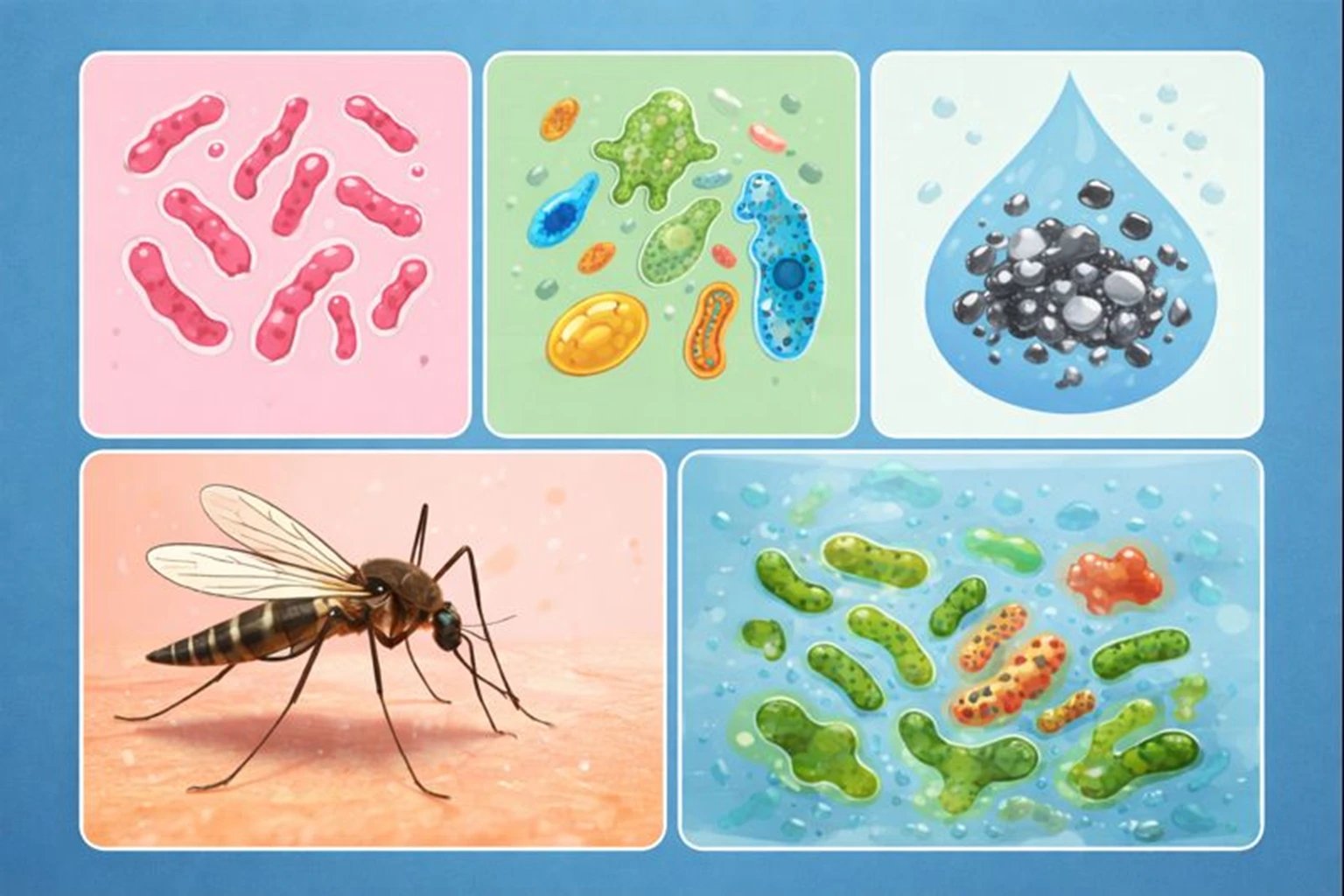
Contamination is one of the most common and damaging problems in spirulina farming. Whether it’s caused by bacteria, protozoa, heavy metals, insects, or competing algae, contamination can reduce yields, compromise product quality, and even render spirulina unsafe for human consumption. For farms aiming at export-grade certification (USDA Organic, HACCP, GMP), controlling contamination isn’t optional-it’s essential.
Building a low-contamination spirulina system requires careful design, water management, automation, and rigorous lab testing. This blog explores the strategies and technologies needed to minimize contamination risks from pond to powder.
Sources of Contamination in Spirulina Farming
Understanding the sources of contamination is the first step in prevention.
- Water Quality: Heavy metals, pesticides, and microbial contamination in the water source can compromise the culture.
- Human Handling: Direct human contact during harvesting or drying introduces microbes, violating GMP standards.
- Dust & Pests: Insects like midges, larvae, and water boatmen, as well as airborne dust, often infiltrate open ponds.
- Equipment Issues: Non-food-grade materials leach toxins; poorly cleaned equipment harbors microbial growth.
System Design for Low Contamination
The foundation of a low-contamination farm lies in its design.
Pond Design
- Raceway Ponds: Depth of 0.25–0.4 meters ensures optimal gas exchange and light penetration.
- Sloped Bottoms: Facilitate cleaning and prevent sediment buildup.
- Protective Nets: Shading nets reduce dust and insect entry.
Materials & Infrastructure
- Use SS 316 stainless steel for harvesting equipment, piping, and agitators to prevent heavy metal leaching.
- Avoid painted or colored materials in contact with spirulina.
- Cleanroom-ready processing areas for drying and packaging.
Water Quality Management
Water is the most critical input in spirulina farming.
- Source: Borewell or groundwater is ideal.
- Filtration: Use sand and UV filtration to remove microbes and impurities.
- Testing: Regularly test water for heavy metals, pesticides, and microbial contamination.
- pH Management: Maintain pH 9–11, which naturally inhibits many contaminants.
Agitation & Aeration
Proper agitation keeps the culture healthy and reduces contamination risk.
- Automated Paddle Wheels: Prevent stagnant zones where contaminants thrive.
- IoT Monitoring: Track pH, temperature, and oxygen levels in real time.
- Continuous Mixing: Keeps spirulina suspended, ensuring even nutrient distribution and preventing microbial hotspots.
For more, see Automation in Spirulina Harvesting.
Harvesting & Processing Hygiene
Harvesting is a critical point for contamination risks.
- Clean-in-Place (CIP) Systems: Automated cleaning for filters and pipes prevents buildup of residues.
- Rotary Drum Filters: More hygienic than manual mesh handling.
- Minimal Human Contact: GMP compliance requires staff to avoid direct contact with spirulina.
- Washing Protocols: Multiple wash cycles remove salts and contaminants.
Drying & Storage Practices
Drying is another contamination-sensitive step.
- Preferred Methods: Refractance Window Drying (RWD) and vacuum drying preserve nutrients while minimizing microbial growth.
- Avoided Methods: Sun drying exposes spirulina to airborne dust and microbes, making it non-compliant for export.
- Packaging Conditions: GMP cleanrooms with HEPA filters to maintain sterile conditions.
For method comparisons, see Spirulina Drying Methods Comparison.
Lab & QC Protocols
Laboratory testing validates the safety of every batch.
Nutritional Testing
- Protein content ≥60%
- Phycocyanin ≥10%
- Chlorophyll and β-carotene levels
Safety Testing
- Microbial Analysis: Absence of E. coli, Salmonella, Staphylococcus.
- Heavy Metals: Lead (<0.2 µg/g), arsenic (<0.5 µg/g), mercury (<0.025 µg/g).
- Pesticides & Toxins: Aflatoxins, PAH, and PCB must be absent.
Each batch must produce a Certificate of Analysis (COA) before export. For more insights, see Spirulina Quality Control in Mass Production.
Automation as a Contamination Shield
Automation significantly reduces contamination risks by limiting manual intervention.
- IoT-Based Nutrient Dosing: Prevents errors and contamination from manual feeding.
- Automated Harvesting: Reduces exposure of spirulina to human handling.
- Data Logging: SCADA systems record every action for certification audits.
Automation not only boosts efficiency but also improves compliance with HACCP and GMP standards.
Preventive Design Checklist Table
| Area | Preventive Measure | Impact on Contamination |
| Water | Borewell + sand + UV filtration | Removes pathogens & heavy metals |
| Ponds | Raceway design, sloped bottoms | Prevents sediment & microbial buildup |
| Agitation | Automated paddle wheels | Avoids stagnant zones |
| Equipment | SS 316 stainless steel | Prevents toxin leaching |
| Harvesting | Rotary drum filters + CIP | Reduces manual contamination |
| Drying | RWD/Vacuum drying | Prevents microbial growth |
| Packaging | GMP cleanroom with HEPA | Ensures sterile environment |
| Testing | Batch-wise COA generation | Validates safety & quality |
FAQs
1. What are the most common contaminants in spirulina ponds?
Insects (midges, water boatmen), competing algae, bacteria, heavy metals, and dust are common contaminants.
2. How does water quality affect spirulina contamination?
Poor-quality water introduces heavy metals, pesticides, and microbes that compromise the culture. Borewell water with filtration is best.
3. Can manual farms achieve low-contamination levels?
Not consistently. Manual systems lack CIP, automation, and cleanrooms, making certification and contamination control difficult.
4. Why is lab testing critical for spirulina certification?
Because it validates the absence of contaminants and provides proof of nutritional quality, which buyers demand through COA reports.
Conclusion
Contamination is the biggest threat to spirulina farming success, but it can be controlled through smart design, water management, automation, and rigorous lab testing. By following preventive measures-raceway ponds, SS 316 equipment, filtered water, automated agitation, GMP drying, and batch-wise COAs-farmers can build low-contamination spirulina systems that meet international certification standards.
In a market where buyer trust and certification drive profitability, contamination control is not just a technical detail-it is the foundation of sustainable spirulina farming.
Table Of Contents