Introduction
Spirulina, a nutrient-rich blue-green algae, is often hailed as a superfood of the future. With its high protein content, antioxidants, vitamins, and minerals, spirulina has secured a spot in the global nutraceutical and health food market. This growing popularity has sparked a common question: Can you start a spirulina business from home?
The short answer is: yes, you can grow spirulina at home in small tanks or tubs. However, turning it into a scalable, certified, and profitable business is a far more complex journey. In this blog, we’ll explore what’s possible at home scale, the limitations, and how small experiments can grow into commercial ventures.
Home-Scale Spirulina Cultivation
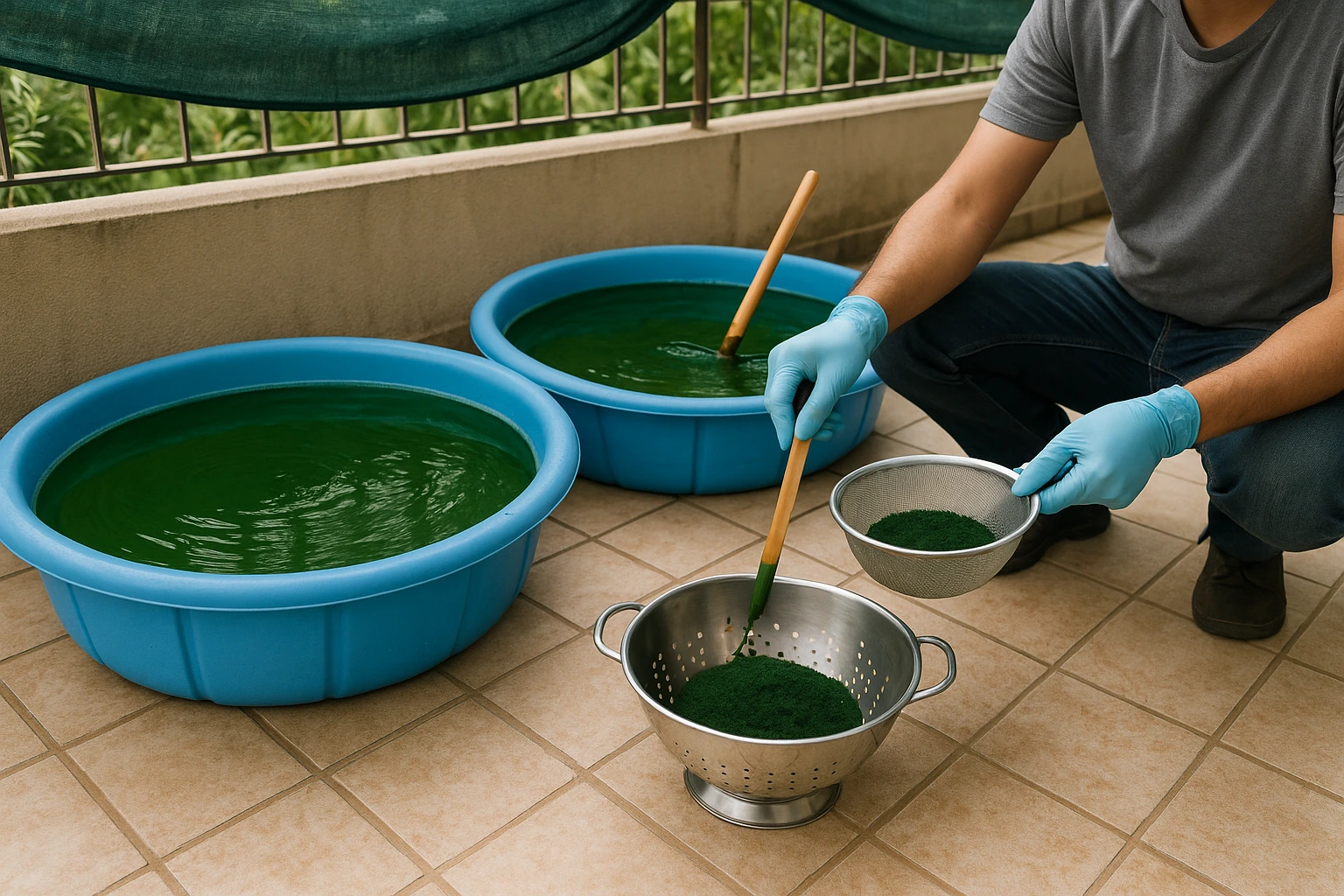
Starting spirulina cultivation at home requires minimal space and investment. With a small balcony, terrace, or backyard, you can begin experimenting with micro-scale spirulina farming.
Basic Setup
- Containers: Glass aquariums, food-grade plastic tubs, or small fiberglass tanks.
- Water: Clean, potable water with high alkalinity.
- Nutrients: Sodium bicarbonate, nitrates, and trace minerals. For organic compliance, OMRI-approved nutrient sources must be used.
- pH Control: Spirulina thrives in pH 9–11; regular monitoring is required.
- Temperature: Ideal range is 30–37°C. Below 15°C, growth slows; above 40°C, bleaching occurs.
- Light: Natural sunlight is best, though shading may be needed in extreme heat.
Harvesting & Drying
- Spirulina is harvested by filtering culture water through fine mesh.
- Biomass is washed, concentrated, and sun-dried.
- Grinding into powder requires a clean, contamination-free environment.
A home setup can produce spirulina for personal use or small community supply, but it remains limited in volume and quality control.
Benefits of a Home-Scale Setup
- Low Investment: Costs can start as low as ₹10,000–₹50,000 for tanks, basic nutrients, and testing kits.
- Learning Opportunity: Hands-on experience with spirulina biology and growth cycles.
- Health Benefits: Provides a reliable, fresh supply of spirulina for personal consumption.
- Community Sales: Small surplus can be sold locally within wellness groups or farmers’ markets.
For first-timers, a home setup serves as an educational stepping stone before investing in commercial-scale farming.
Challenges of Running a Spirulina Business from Home
While home cultivation is possible, turning it into a serious business faces challenges:
- Quality Inconsistency: Manual monitoring of pH and temperature leads to fluctuating yields.
- Contamination Risk: Home setups lack cleanroom conditions, making contamination from pests, bacteria, or heavy metals more likely.
- Drying Limitations: Sun drying degrades sensitive nutrients like phycocyanin and β-carotene, reducing market value.
- No Certifications: Home units cannot meet USDA Organic, HACCP, or GMP standards, limiting access to premium markets.
- Poor Profitability: Small batch production cannot sustain consistent profits and doesnt cover the basic costs of labor and other utilities.
In short, while spirulina can be grown at home, it cannot be marketed as certified organic or export-ready.
Legal & Certification Limitations
One of the biggest barriers for home-based spirulina businesses is compliance. International markets and nutraceutical buyers demand certifications:
- HACCP (Hazard Analysis and Critical Control Points): Requires detailed hazard control protocols.
- GMP (Good Manufacturing Practices): Demands cleanroom environments where human contact with spirulina is minimized.
- USDA/EU Organic Certification: Requires strict traceability of inputs and contamination-free environments.
Home farms simply cannot meet these requirements. This means spirulina grown at home can only be used for personal consumption or informal local sales, not export.
From Home to Commercial Scale
Home farming can, however, be an excellent launchpad for future commercial ventures. Farmers can use home setups to:
- Conduct R&D and trials on strains, nutrients, and growth conditions.
- Build familiarity with spirulina’s unique pH and temperature needs.
- Create proof-of-concept for investors or partners.
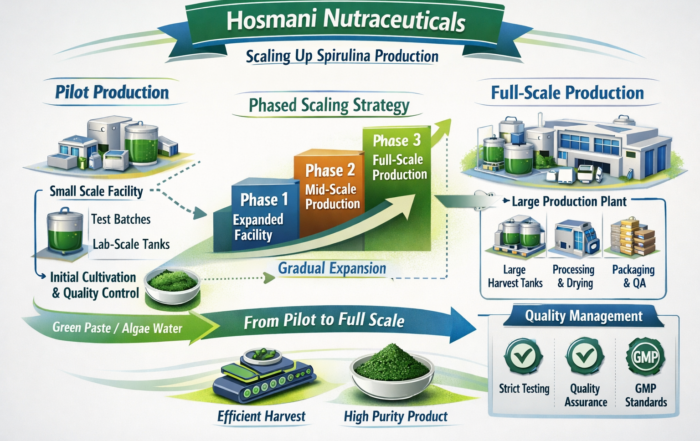
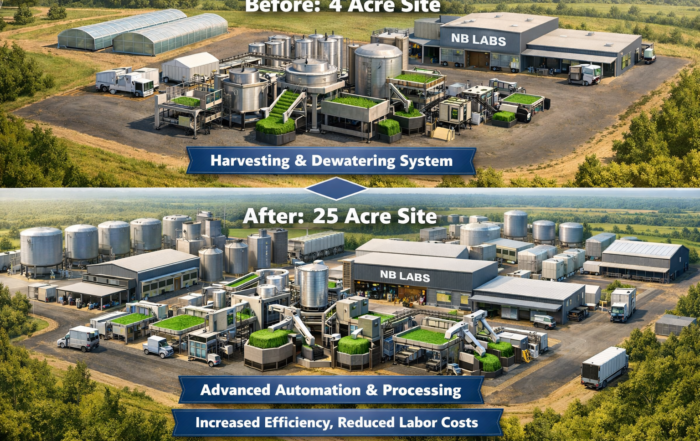
Transitioning to Commercial Scale
To move from home-based cultivation to a professional spirulina business:
- Scale to raceway ponds (1000–4000 sq. meters).
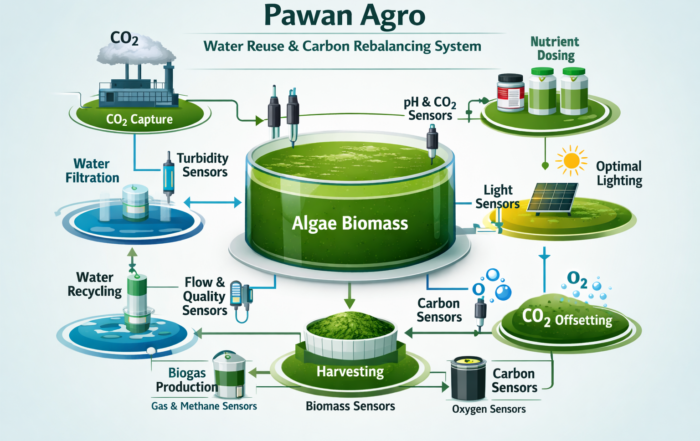
- Invest in automation for pH, temperature, and harvesting control.
- Build an in-house lab for COA testing.
- Secure certifications: USDA/EU Organic, HACCP, GMP.
- Prepare for capital investments of ₹50 lakhs–₹2 crores depending on scale.
Market & Profitability Realities
- Home-Scale Production: Yields are too small to be commercially profitable. A small tank may produce a few hundred grams per week.
- Local Sales: Farmers can sell limited amounts to wellness groups but cannot access premium channels.
- Export-Grade Production: Certified spirulina fetches ₹1500–₹2500/kg, compared to ₹600–800/kg for uncertified local spirulina.
Thus, profitability is only achievable at scale, supported by certification and automation.
For financial insights, see Spirulina Farming Costs and Profits.
Home Setup vs Commercial Farm: Comparison
| Factor | Home Setup | Commercial Farm |
| Investment | ₹10,000–₹50,000 | ₹50 lakhs–₹2 crores |
| Production Volume | Few 100g per week | Several tons annually |
| Monitoring | Manual pH/temperature checks | Automated IoT/SCADA systems |
| Drying Method | Sun drying (low quality) | RWD/Vacuum drying (nutrient preservation) |
| Certification | Not possible | USDA Organic, HACCP, GMP |
| Market Access | Personal/local groups | Domestic nutraceuticals & exports |
| Profitability | Very low | High, with premium pricing |
FAQs
1. Can I legally sell spirulina grown at home?
You can sell it informally within small groups, but it cannot be marketed as certified organic or exported without meeting HACCP, GMP, and USDA standards.
2. What equipment do I need for a home spirulina setup?
Basic tanks or tubs, pH and temperature meters, nutrients (bicarbonates, nitrates, minerals), and mesh filters for harvesting are enough for small-scale growth.
3. How much spirulina can a home farm produce?
A typical home setup may yield a few hundred grams per week—enough for personal use but not for profitable sales.
4. Is a home farm a good stepping stone to commercial spirulina business?
Yes. A home setup is useful for learning spirulina biology and testing methods before investing in automation, labs, and certifications required for exports.
Conclusion
So, can you start a spirulina business from home? Yes—but with limitations. Home setups are best for personal consumption, education, and small community sales. They cannot compete in global markets without automation, labs, and certifications.
For those serious about spirulina as a business, home farming should be viewed as a training ground, not the final business model. By starting small and scaling up strategically, farmers can transition from micro-setups to certified, export-ready spirulina enterprises that tap into global demand.
Table Of Contents