Spirulina has earned global recognition as a superfood due to its dense nutritional profile and scientifically proven health benefits. It’s one of the most complete, natural sources of plant-based protein, containing vital nutrients such as iron, beta-carotene, phycocyanin, chlorophyll, and essential amino acids. Spirulina’s superior nutrient-to-weight ratio makes it a top choice for nutrition programs, dietary supplements, and sustainable food solutions.
Recognized by WHO, NASA, and the UN World Food Program, spirulina is even described as “the food of the future.” But what truly makes it a superfood lies in its unmatched nutrient density, digestibility, and its ability to strengthen immunity while promoting cellular health.
Nutritional Composition of Spirulina
| Nutrient | Quantity (per 100g) | Health Benefit |
| Protein | 60–70% | Builds muscles, repairs tissue, and supports immunity |
| Iron | 28–35 mg | Prevents anemia and boosts oxygen transport |
| Beta-Carotene (Provitamin A) | 2,400–2,800 µg | Enhances vision and immune defense |
| Phycocyanin | 10–15% | Powerful antioxidant and anti-inflammatory agent |
| Essential Amino Acids | 9 | Supports metabolism and brain function |
| Calcium & Magnesium | 300–400 mg | Strengthens bones and nerves |
| B Vitamins (B1, B2, B12) | Abundant | Increases energy and brain activity |
| Chlorophyll | 0.5–1% | Detoxifies and oxygenates cells |
Each gram of spirulina provides a concentrated dose of nutrients equivalent to multiple servings of vegetables, making it a perfect micro-nutrient powerhouse.
Why Spirulina Is Called a Superfood
1. Complete Protein Source
Unlike most plant-based proteins, spirulina provides all nine essential amino acids, making it comparable to animal proteins like eggs or milk. It’s ideal for vegetarians, vegans, and those seeking sustainable nutrition.
2. Rich in Natural Antioxidants
Spirulina contains phycocyanin, chlorophyll, beta-carotene, and zeaxanthin, which neutralize free radicals, slow cellular aging, and support detoxification. (Greenbubble’s Spirulina Quality: What Your Certificate of Analysis (COA) Should Show)
3. Boosts Immunity and Energy
Spirulina enhances immune response by stimulating white blood cells and macrophages. Regular consumption increases hemoglobin, combats fatigue, and improves energy levels naturally.
4. Supports Heart and Liver Health
Studies show spirulina reduces LDL cholesterol, improves blood lipid profiles, and protects the liver from oxidative damage. It is an excellent addition to heart-healthy diets.
5. Natural Detoxifier
Spirulina binds with heavy metals and toxins in the bloodstream, aiding detoxification and maintaining pH balance. Learn how contamination is controlled in How to Avoid Heavy Metals and Contamination in Spirulina Farming.
6. Enhances Brain Function and Mood
Rich in amino acids like tryptophan, spirulina supports neurotransmitter balance, improving focus and emotional well-being.
7. Sustainable and Eco-Friendly Superfood
Spirulina uses minimal land and water, emits low carbon, and produces 20 times more protein per acre than soybeans, making it one of the most sustainable proteins available. (Is Spirulina Farming Sustainable?)
Scientific Validation and Global Recognition
Scientific research and global health organizations cite numerous validations:
- NASA includes spirulina in astronaut diets for its nutrient compactness and easy digestibility.
- WHO declared it a key weapon against global malnutrition.
- ICMR and CFTRI (India) confirm spirulina’s safety and effectiveness for long-term use.
- Global research shows improvements in immune resilience, anemia correction, and cholesterol management with consistent intake.
How Spirulina Compares to Other Superfoods
| Parameter | Spirulina | Moringa | Chlorella | Kale |
| Protein | 60–70% | 25–30% | 45–50% | 5–7% |
| Iron | 28–35 mg | 17 mg | 20 mg | 1.6 mg |
| Vitamin A (Beta-Carotene) | 2,800 µg | 700 µg | 500 µg | 300 µg |
| Digestibility | >85% | 70–75% | 65–70% | 60% |
| Heavy Metal Absorption | Minimal | Moderate | High | None |
Spirulina outperforms most other superfoods in nutrient density, protein digestibility, and bioavailability.
Recommended Daily Intake
| Purpose | Dosage |
| General Nutrition | 2–3 g/day |
| Athletes and Fitness Users | 5–10 g/day |
| Malnutrition Programs | 1–3 g/day per child |
| Recovery and Detox | 3–5 g/day |
Refer to Is Spirulina Really Safe to Consume Daily? for safety data and dosage validation.
Forms of Spirulina Available
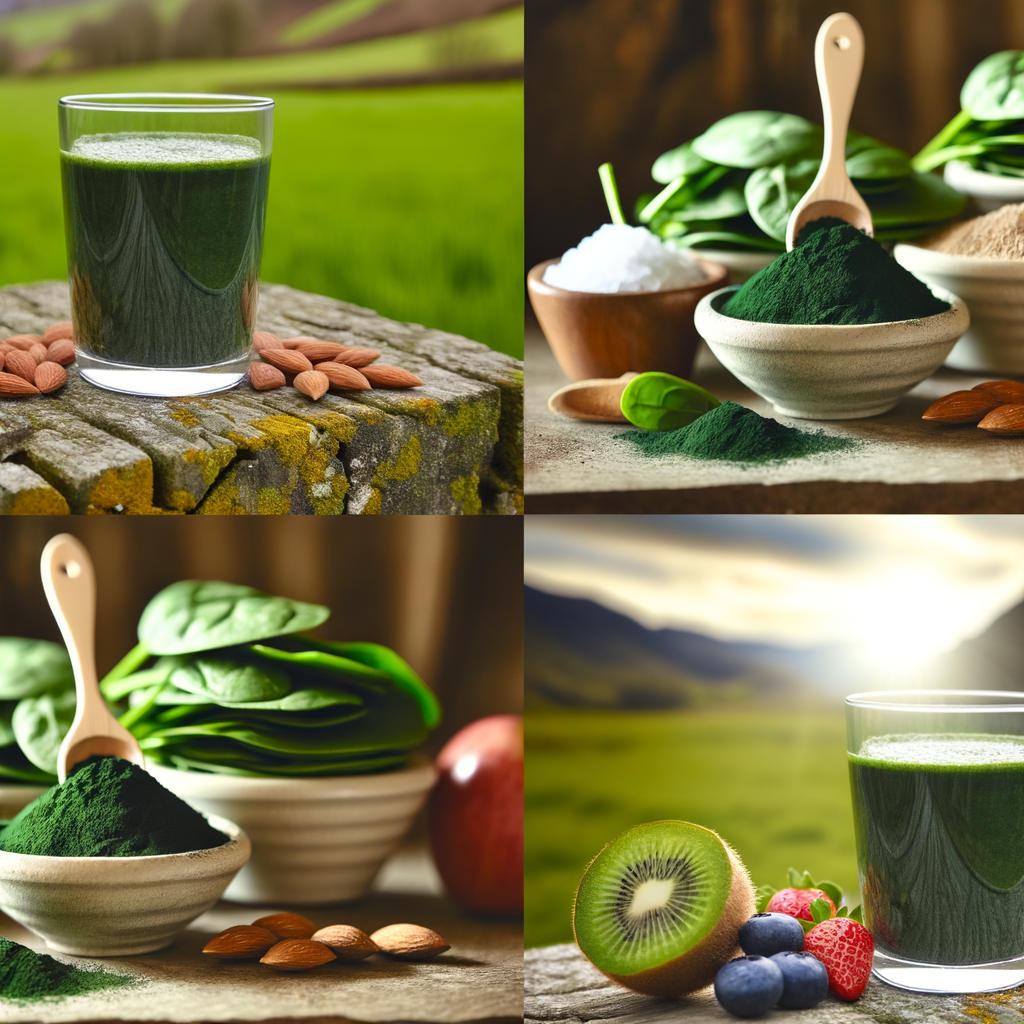
- Powder: Ideal for smoothies, soups, or baking.
- Tablets/Capsules: Convenient for daily supplementation.
- Flakes and Extracts: Used in health beverages and fortified foods.
- Blends: Combined with moringa, wheatgrass, or protein powders for enhanced functionality.
Each form retains spirulina’s essential nutrients, though powders and tablets remain the most widely used in health supplements and nutrition programs.
Integrating Spirulina into Everyday Diets
- Mix 1 tsp of spirulina powder into juices, smoothies, or soups.
- Add to salad dressings, dips, or energy bars.
- Included in baked foods or homemade nutrition snacks.
- Combine with citrus fruits for better iron absorption.
FAQs
Q1: Why is spirulina called a superfood?
Because it contains all essential nutrients in concentrated form — protein, vitamins, minerals, and antioxidants — supporting holistic health.
Q2: Is spirulina better than other green supplements?
Yes, it offers higher protein, iron, and antioxidant content compared to most greens like chlorella or kale.
Q3: Can children and elderly people take spirulina?
Absolutely. It’s safe for all ages when sourced from certified organic farms.
Q4: How soon do results appear after consuming spirulina?
Most users report better energy and focus within 2–3 weeks of consistent use.
Q5: Can spirulina help in weight management?
Yes, it curbs appetite naturally and promotes lean muscle development.
Conclusion
Spirulina truly deserves its title as a superfood of the future. With its unparalleled nutrient density, proven health benefits, and eco-friendly cultivation methods, it offers a solution to both personal nutrition and global food security challenges.
From its use in space missions to community nutrition programs, spirulina continues to redefine the meaning of sustainable health. Whether consumed as a supplement or added to daily meals, this blue-green wonder remains one of nature’s most complete and beneficial foods — a genuine superfood backed by science and sustainability.
Table Of Contents