For many spirulina producers, export approval represents a milestone.
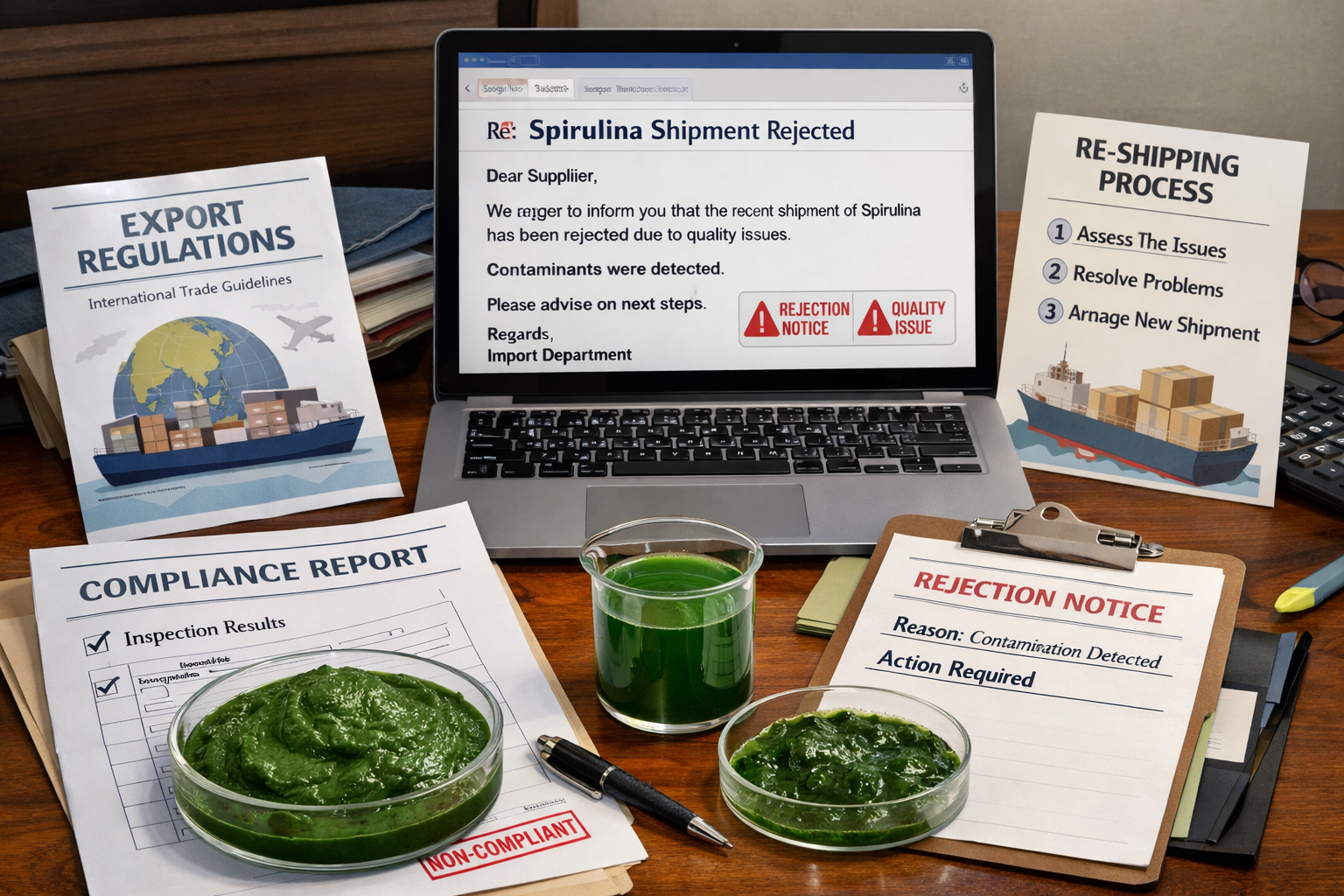
But a rejected export shipment represents something far more serious.
It is not merely a delayed payment or an isolated compliance issue. A shipment rejection can trigger cascading biological, financial, regulatory, and reputational consequences that threaten the stability of the entire operation.
In commercial spirulina production, rejection is rarely accidental. It is usually the result of structural weaknesses in process control, documentation, or compliance depth.
At Greenbubble, we design export-oriented farms with the assumption that every shipment will face scrutiny. Because in global trade, it will.
Understanding what happens after rejection – and how to prevent recurrence – is critical for long-term viability.
Step 1: Immediate Financial Impact
When a shipment is rejected, the first impact is financial.
Possible direct costs include:
- Freight charges already paid
- Port handling fees
- Customs documentation expenses
- Insurance costs
- Laboratory testing at destination
- Return shipment cost (if applicable)
- Destruction or disposal charges
In many cases, freight and insurance are non-refundable.
If the buyer refuses delivery, the exporter must either:
- Re-import the goods
- Divert to a secondary buyer at discounted pricing
- Authorize destruction at destination
Each option erodes margin significantly.
A single rejected container can eliminate profit from multiple successful shipments.
Step 2: Working Capital Lock-Up
Rejected inventory ties up capital.
Cash that was expected within 30–60 days remains frozen while:
- Dispute resolution occurs
- Re-testing is conducted
- Insurance claims are processed
- Alternative buyers are sought
Meanwhile, operational expenses continue:
- Nutrient procurement
- Labor salaries
- Power consumption
- Certification renewals
Farms without 90-day liquidity buffers experience immediate stress.
This is why export-focused infrastructure planning through structured spirulina farming turnkey solutions integrates financial modeling into operational design.
Profit projections must account for rejection probability.
Step 3: Regulatory Escalation
A rejected shipment often triggers regulatory review.
Authorities may:
- Increase inspection frequency
- Flag the exporter for additional sampling
- Require enhanced documentation
- Mandate corrective action reports
If heavy metal or microbial deviation is detected, the exporter may be placed under watch.
Repeated rejection can result in temporary suspension from that market.
Export compliance is cumulative. One failure increases scrutiny on subsequent shipments.
Farms operating with strong in-house lab discipline and process control through assisted dewatering systems and controlled spirulina drying equipment reduce deviation probability.
Regulatory resilience is built before the first shipment – not after rejection.
Step 4: Root Cause Investigation
Serious buyers will demand a structured root cause analysis (RCA).
Common rejection triggers include:
- Heavy metal exceedance
- Microbial contamination (TAMC, yeast & mold)
- Moisture above permissible limits
- Incorrect labeling
- Documentation mismatch
- Packaging integrity failure
Root cause analysis must evaluate:
- Batch production logs
- Nutrient input traceability
- Harvesting hygiene
- Drying temperature records
- Lab calibration records
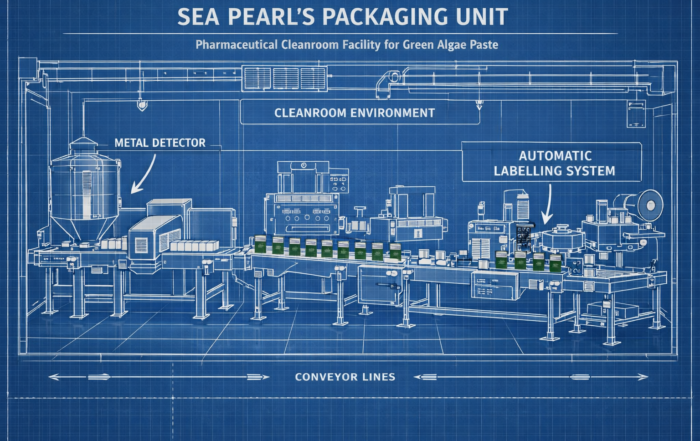
- Packing and metal detection logs
Manual-intensive farms struggle here due to incomplete documentation.
Automated systems such as harvesting equipment solutions and automated packing systems strengthen traceability and documentation consistency.
Without data, defense is weak.
Step 5: Reputational Damage
Rejection does not remain isolated.
In nutraceutical supply chains:
- Buyers communicate with each other
- Importers share compliance alerts
- Quality failures circulate within procurement networks
A single rejection can:
- Reduce future order volume
- Trigger mandatory third-party audits
- Force price renegotiation
- Delay onboarding of new buyers
Trust once lost is expensive to rebuild.
Greenbubble’s advisory framework emphasizes building compliance margins above minimum thresholds to protect reputation under strict international standards.
Step 6: Insurance and Legal Exposure
Marine cargo insurance may cover certain losses, but only if:
- Proper declarations were made
- Documentation was accurate
- No negligence is proven
If contamination is traced to process failure, insurance claims may be denied.
Legal disputes with buyers can arise if:
- Contract specifications were breached
- COA was inaccurate
- Shipment did not match agreed parameters
Legal exposure adds both cost and distraction.
Structured process architecture reduces liability exposure.
Biological Implications of Rejection
If rejection is caused by contamination, biological systems must be reviewed.
Corrective steps may include:
- Culture discard and restart
- Pond sanitization
- Nutrient source verification
- pH and salinity recalibration
- Insect barrier reinforcement
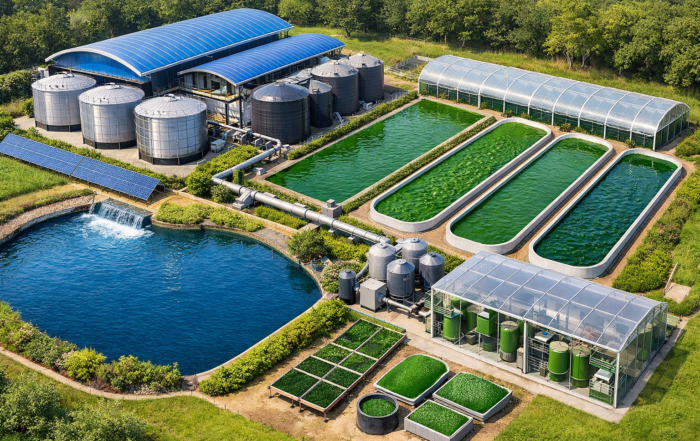
Engineered raceway ponds with optimized hydraulics and contamination control features reduce systemic biological risk.
Biological deviation often reflects structural design gaps.
Financial Stress Scenario Example
Consider a 5-ton export consignment rejected due to microbial deviation.
Potential financial impact:
- Production cost already incurred
- Freight and insurance paid
- Storage at destination port
- Return logistics
- Discounted resale value
- Lost opportunity cost for next production cycle
Total effective loss may exceed 25–40% of shipment value.
For farms operating at narrow margins, two such events can destabilize annual cash flow.
Risk-adjusted planning is essential.
Preventing Recurrence: Structural Controls
Rejection prevention requires multi-layered controls:
- Continuous in-house lab testing
- Moisture validation below critical thresholds
- Heavy metal buffer margins below regulatory limits
- Automated drying temperature logging
- Metal detection during packing
- Documentation audit before dispatch
Structured planning through spirulina farming consultancy integrates compliance architecture with operational workflow to reduce rejection probability.
Prevention is engineering discipline.
Rejection Risk-Mitigation Framework
| Failure Category | Example Trigger | Immediate Impact | Long-Term Risk | Preventive Strategy |
| Heavy Metal | Lead above limit | Shipment hold | Market suspension | Source verification, buffer margins |
| Microbial | High TAMC | Rejection | Increased inspection frequency | Hygiene automation, drying control |
| Moisture | >7% | Quality downgrade | Buyer distrust | Controlled drying systems |
| Documentation | COA mismatch | Clearance delay | Regulatory flagging | Digital documentation audit |
| Packaging | Seal failure | Product recall | Brand damage | Automated packing validation |
Export reliability is built through layered protection.
Psychological and Operational Impact
Rejection affects team morale.
Production teams may:
- Become overly cautious
- Reduce output speed
- Experience compliance fatigue
Leadership may react by imposing emergency cost cuts, which can increase long-term risk exposure.
Greenbubble emphasizes calm, structured corrective action rather than reactive operational disruption.
Crisis management should reinforce systems – not destabilize them.
Frequently Asked Questions
Q1. What is the most common reason spirulina export shipments get rejected?
Heavy metal exceedance, microbial contamination, or moisture deviation are among the most common triggers. Documentation inconsistencies can also cause clearance delays.
Q2. Can a rejected shipment be resold locally?
In some cases yes, but often at discounted pricing. If regulatory non-compliance is confirmed, resale may be restricted depending on domestic regulations.
Q3. Does one rejection affect future shipments?
Yes. Rejections increase inspection frequency and regulatory scrutiny for subsequent consignments.
Q4. How can farms reduce rejection risk?
Through strong in-house lab testing, automation-driven consistency, compliance buffer margins, and pre-dispatch documentation audits.
Q5. Is shipment rejection common in spirulina exports?
While not frequent in disciplined operations, it is more common in manual or poorly documented farms. Structured process control significantly reduces probability.
Conclusion
A rejected spirulina export shipment is not a minor operational setback.
It is a stress test of biological control, financial resilience, regulatory discipline, and reputational strength.
Farms designed with structural compliance margins, automation depth, and documentation integrity are significantly less vulnerable.
At Greenbubble, we design export-oriented spirulina systems assuming global scrutiny – because in international trade, prevention is more economical than correction.
Export success depends not only on production excellence.
It depends on rejection resilience.
Make us your source on Google
Table Of Contents