Spirulina isn’t just any algae-it’s a powerhouse of essential nutrients that make it one of the most profitable, resilient, and in-demand superfoods in the global health food market. For spirulina farmers, understanding the nutritional profile isn’t just a science lesson-it’s a practical toolkit. These insights drive cultivation techniques, determine final product value, enhance global certifications, and build long-lasting buyer confidence.
Here are the top 5 nutritional facts every spirulina grower should understand, track meticulously, and optimize for consistently.
1. Protein Content: The 60–70% Benchmark
Spirulina is celebrated for its remarkably high protein content, which typically ranges between 60% to 70% by dry weight. This not only makes it one of the richest plant-based protein sources but also a strong competitor to animal-based proteins in terms of bioavailability and amino acid profile.
Why It Matters:
- Protein content is often the top metric analyzed in a Certificate of Analysis (COA)
- A higher protein percentage translates to higher pricing in both domestic and export markets
- Plays a crucial role in positioning your product in the athletic, vegan, and nutraceutical segments
Farming Insight:
- Use a balanced C:N:P ratio of 24:14:1 using sodium bicarbonate and OMRI-listed nitrogen sources, explicitly avoiding urea
- Maintain an optimal pH between 9 and 11 (ideally around 10) and a temperature range of 30–35°C in raceway ponds
- Regular monitoring of Optical Density (OD) ensures consistent biomass growth and harvest readiness
2. Phycocyanin: The Blue-Green Powerhouse
Phycocyanin is the vivid blue pigment that gives spirulina its unique identity and exceptional health benefits. With strong antioxidant, anti-inflammatory, and immune-boosting properties, it plays a critical role in determining product grade and market value.
Why It Matters:
- Phycocyanin concentration is a premium pricing indicator, especially for high-grade extracts
- Affects eligibility for organic certification and inclusion in global nutraceutical formulations
- Highly sensitive to processing methods, particularly drying and post-harvest handling
Farming Insight:
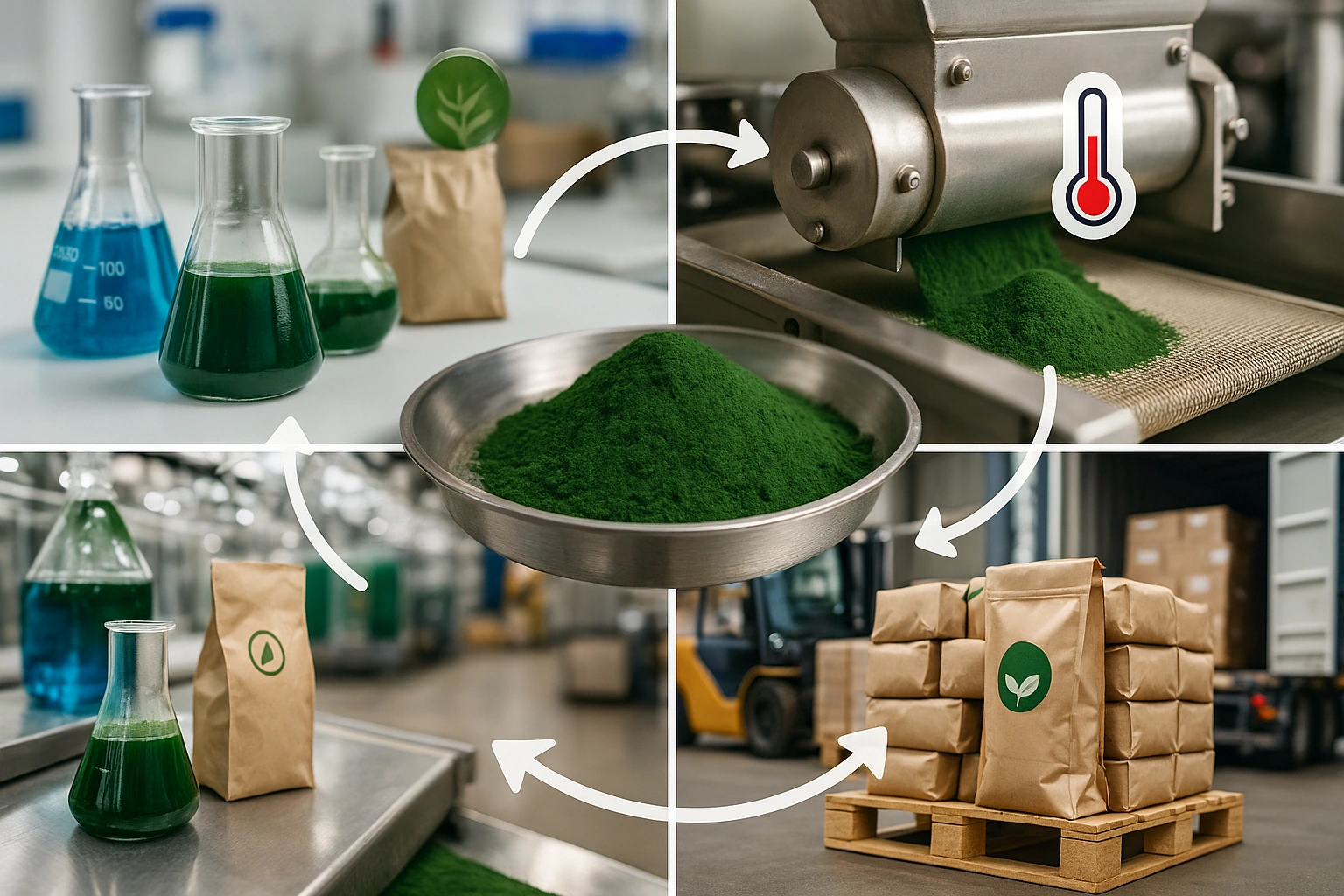
- Employ Refractive Window Dryers (RWD) for medium to large-scale batches and Vacuum Dryers for small-scale batches to retain pigment integrity
- Avoid traditional spray drying methods due to high temperatures (100–180°C) and sun drying (55–65°C), which degrade phycocyanin and overall nutrient content
- Implement raceway shading strategies during peak summer to prevent thermal pigment loss
3. Iron and Mineral Richness
Spirulina naturally accumulates a spectrum of bioavailable minerals including iron, potassium, calcium, magnesium, and trace elements crucial for human nutrition. Iron, in particular, plays a pivotal role in the algae’s appeal for vegans and those with anemia.
Why It Matters:
- Iron levels around 410 mg/100g or higher significantly boost appeal in supplements targeting anemia and prenatal care
- Compliance with USDA Organic, EU Organic, and other certifications mandates mineral profiling
- Mineral balance supports overall health claims and product efficacy
Farming Insight:
- Use only potable water and food-grade micronutrient blends approved for organic use
- Avoid using synthetic iron salts that disqualify organic certification
- Conduct monthly testing for heavy metals like lead, arsenic, and mercury to meet safety standards
4. Antioxidants and Beta-Carotene
Beta-carotene is a powerful antioxidant found in abundance in spirulina. As a precursor to Vitamin A, it contributes significantly to vision health, immune system support, and skin vitality, making it popular in health, beauty, and wellness markets.
Why It Matters:
- Beta-carotene levels exceeding 5,500 mg/kg are ideal for premium product claims and export standards
- Degrades easily when exposed to oxygen, light, or heat during drying and packaging
- Supports spirulina’s use in skin care, immunity boosters, and anti-aging formulations
Farming Insight:
- Minimize air, light, and heat exposure during drying and packaging stages
- Use nitrogen-flushed, opaque, and UV-protective packaging materials to preserve antioxidant levels
- Implement fast post-harvest handling to prevent degradation of sensitive nutrients
5. Essential Fatty Acids: Especially GLA
Gamma Linolenic Acid (GLA) is a unique omega-6 fatty acid found in very few plant sources-spirulina being one of the richest. GLA supports cardiovascular health, reduces inflammation, and is useful in managing eczema and hormonal health.
Why It Matters:
- GLA offers a distinctive nutritional advantage, especially in plant-based diets
- Contributes to anti-inflammatory and skin-health claims in functional foods and supplements
- GLA synthesis reflects overall culture health and nutritional sufficiency
Farming Insight:
- Maintain a clean and balanced culture medium with adequate light exposure
- Avoid overcrowding and contamination that negatively impacts lipid metabolism
- Regularly assess media composition and adapt inputs to ensure lipid and pigment synthesis
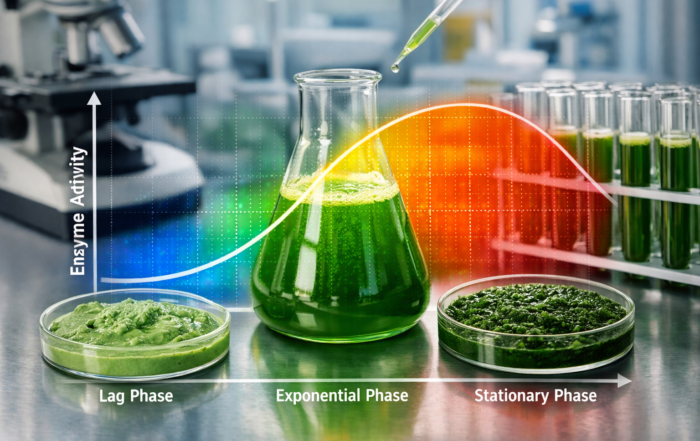
6. Vitamins and Enzymes in Spirulina
Besides macronutrients, spirulina contains a wealth of essential vitamins such as B1 (Thiamine), B2 (Riboflavin), B3 (Niacin), B6, B12 (in pseudo form), Vitamin E, and trace amounts of Vitamin K. Additionally, enzymes like Superoxide Dismutase (SOD) offer antioxidant benefits and act as markers of algae vitality.
Why It Matters:
- Supports health claims for energy metabolism, aging, immunity, and neurological function
- Vitamins and enzymes contribute to spirulina’s versatility in food, health, and cosmetic sectors
- The presence and stability of these compounds indicate healthy culture dynamics and handling practices
Farming Insight:
- Monitor Dissolved Oxygen (DO) levels to support aerobic enzymatic activity
- Avoid nutrient overloading or imbalanced feeds that inhibit vitamin and enzyme formation
- Ensure rapid drying and cool storage post-harvest to protect sensitive bioactive compounds
Nutrient Comparison Table: Organic-Grade vs Non-Certified Spirulina
| Nutrient Component | Organic-Grade Spirulina (Target) | Non-Certified Spirulina (Typical Range) |
| Protein | 60–70% | 55–60% |
| Phycocyanin | >1,500 mg/100g | 400–800 mg/100g |
| Iron | >410 mg/100g | 200–400 mg/100g |
| Beta-Carotene | >5,500 mg/kg | 3,000–5,000 mg/kg |
| GLA (Fatty Acids) | 1.3–2.7 g/100g (typical organic spirulina range) | 0.5–1.0 g/100g |
| Moisture (final) | <9% (typical COA standard) | 8–10% |
| Microbial Load | Total Aerobic Count <50,000 CFU/g; Yeast and Mold <100 CFU/g | Highly Variable |
| Heavy Metals (Pb) | <0.20 ppm (Lead); <0.50 ppm (Arsenic); <0.20 ppm (Cadmium); <0.025 ppm (Mercury) | Heavy Metals often higher; rigorous testing is less consistent |
Final Takeaway: Nutrition Equals Profit and Compliance
For spirulina farmers, mastering these five core nutritional areas isn’t optional-it’s the foundation for scalable success. Optimizing your cultivation for peak protein, phycocyanin, iron, beta-carotene, and GLA levels can result in better pricing, stronger certifications, expanded market access, and consistent buyer loyalty.
Want to ensure your farm meets the highest nutritional benchmarks with ease? Dive into our full spirulina farming setup guide and detailed quality control strategies to refine your production practices today.
Table Of Contents