Introduction
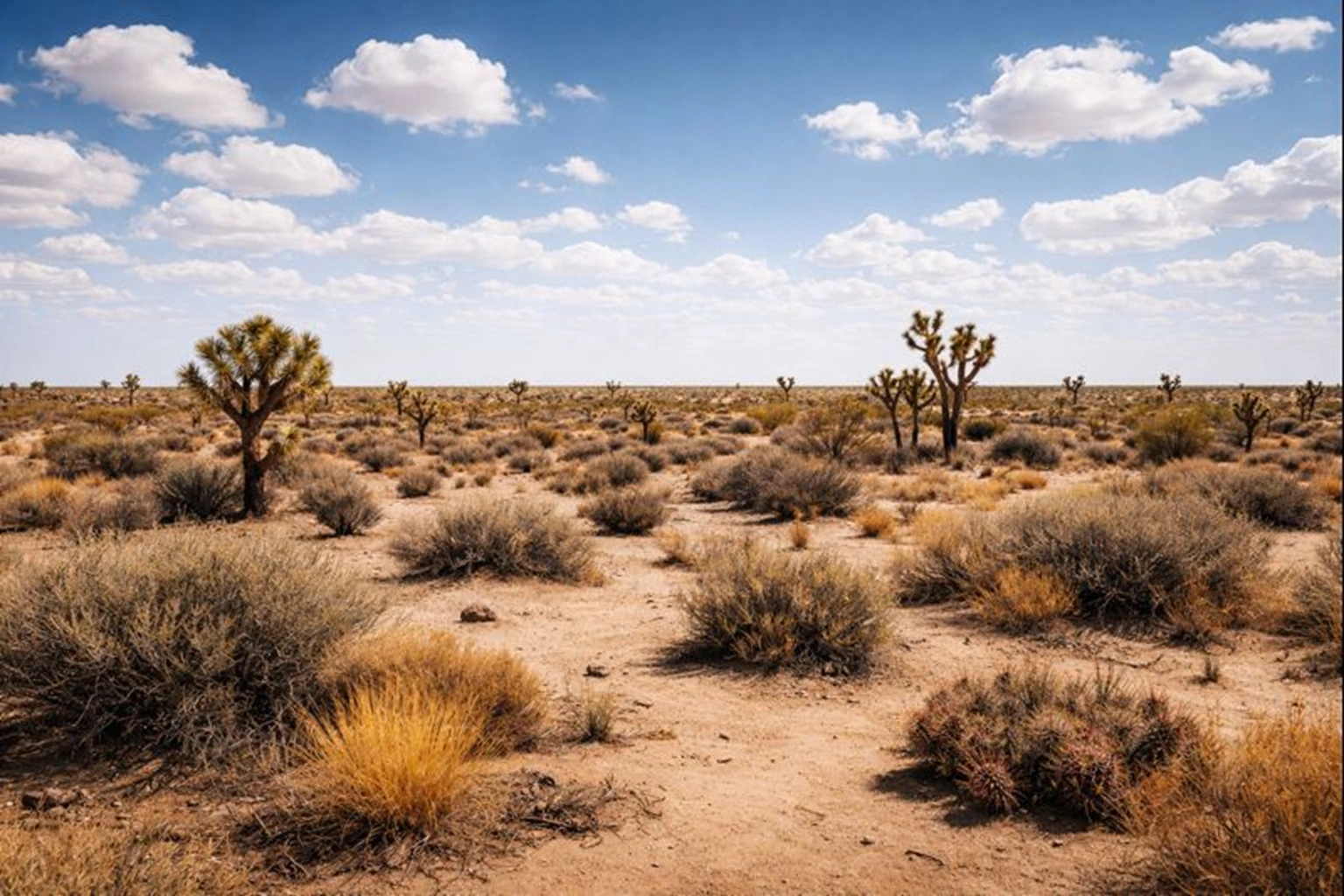
Spirulina, the blue-green microalgae often called a superfood of the future, thrives under specific environmental conditions. Climate is one of the most important factors influencing its growth, productivity, and nutritional value. While spirulina can be cultivated in controlled environments, semi-arid regions are increasingly recognized as natural hubs for spirulina farming. These areas, with their abundant sunlight and warm temperatures, align closely with spirulina’s biological needs.
But semi-arid climates also pose challenges such as extreme heat, water scarcity, and high evaporation. To succeed, farmers must combine natural advantages with modern technology and sustainable practices. In this blog, we’ll explore the pros and cons of spirulina farming in semi-arid regions, along with practical strategies to maximize productivity.
Why Semi-Arid Climates Work for Spirulina
Semi-arid climates provide a natural foundation for spirulina cultivation.
Temperature Advantage
- Spirulina thrives at 30–37°C, which coincides with the typical temperatures in semi-arid regions.
- Even short exposures to 39°C are tolerated without damaging photosynthesis.
- Warmer climates reduce the need for artificial heating, lowering operational costs.
Sunlight Intensity
- Spirulina requires light for photosynthesis. Semi-arid regions receive high solar radiation year-round, fueling rapid growth.
- Blue and white light enhance protein and pigment production, both abundant in sunny climates.
Lower Humidity
- High humidity fosters fungal contamination, but semi-arid regions often have low to moderate humidity, reducing microbial risks.
Land Suitability
- Semi-arid areas often have vast, inexpensive land not suitable for traditional crops.
- Spirulina farms require shallow raceway ponds, making them adaptable to these regions.
Challenges of Semi-Arid Spirulina Farming
Despite the natural advantages, semi-arid climates present hurdles that must be managed.
Extreme Heat
- Culture Temperatures above 40°C which can happen when the atmosphere temperature consistently maintains above 47 can bleach cultures and reduce pigment concentration.
- Extended exposure to 45°C may lead to culture collapse.
Water Scarcity
- Semi-arid areas often lack abundant fresh water sources.
- Borewell water may need to be filtered (sand + UV) to remove contaminants before use.
- High evaporation rates increase water consumption.
Evaporation & Dust Contamination
- Evaporation alters salinity and nutrient balance.
- Dust storms may introduce contaminants into open ponds, requiring preventive measures.
Infrastructure Requirements
- Farms must invest in shading nets, automated agitation, and water recycling systems to maintain stable growth.
Best Practices for Semi-Arid Farms
Farmers in semi-arid climates can overcome challenges by applying scientific SOPs and sustainable practices.
Temperature Control
- Use shading nets to lower culture temperature during heatwaves.
- Maintain larger pond volumes to provide thermal stability.
- Deploy automated agitators to regulate pond temperatures by continuous mixing.
Water Management
- Install borewell + sand + UV filtration for clean water supply.
- Use rainwater harvesting systems to supplement sources.
- Recycle pond water after filtration to minimize consumption.
Nutrient Balance
- Maintain pH between 9–11 to support growth and suppress contaminants.
- Use OMRI-approved organic carbon and nitrogen sources.
- Follow the recommended C:N:P ratio of 24:0.14:1 for consistent yields.
Automation & Monitoring
- Use IoT-based systems for pH, salinity, and temperature monitoring.
- Employ SCADA systems for real-time logging, aiding in certification compliance.
For detailed techniques, see Spirulina Cultivation Best Practices.
Sustainability Edge of Semi-Arid Spirulina Farming
Spirulina is one of the most sustainable proteins on Earth, and semi-arid climates make it even more efficient.
- Water Efficiency: Spirulina requires less water than soy, corn, or animal farming.
- Land Utilization: Non-arable semi-arid lands can be repurposed for spirulina ponds.
- Solar Energy Integration: Farms in sunny climates can run solar-powered paddle wheels and dryers.
- Eco-Friendly Branding: Sustainable farming practices enhance market appeal, especially in export markets.
For more, read Spirulina Farming for the Future: Sustainable Mass Production Practices.
Case for Semi-Arid Regions in India & Beyond
India
- Rajasthan, Karnataka, and Tamil Nadu are leading semi-arid zones where spirulina farming is expanding.
- Abundant sunlight and growing government support make these states attractive hubs.
Africa
- Countries like Kenya and Morocco are investing in spirulina as a food security solution for semi-arid communities.
Global Examples
- Mexico and Arizona leverage desert-like climates for commercial spirulina farms, proving viability in challenging environments.
Pros & Cons of Spirulina Farming in Semi-Arid Regions
| Factor | Pros | Cons |
| Temperature | Naturally aligns with spirulina’s optimal 30–37°C range | Risk of overheating beyond 40–45°C |
| Sunlight | Abundant solar radiation boosts photosynthesis | Excess sunlight may bleach cultures without shading |
| Water | Minimal rainfall prevents waterlogging issues | Scarcity of fresh water; high evaporation rates |
| Land | Cheap, unused semi-arid land suitable for ponds | Infrastructure investment needed for setup |
| Sustainability | Excellent potential for solar-powered, eco-friendly farming | Dust contamination risk requires extra monitoring |
FAQs
1. Why are semi-arid regions good for spirulina farming?
Because they provide ideal temperatures (30–37°C), abundant sunlight, and lower humidity, all of which enhance spirulina growth and reduce contamination risks.
2. How do farms handle water scarcity in semi-arid climates?
By using borewell + UV filtration systems, rainwater harvesting, and recycling pond water after treatment.
3. Can solar energy support spirulina farms in dry regions?
Yes. Semi-arid regions are ideal for solar-powered agitators, pumps, and dryers, lowering operational costs.
4. What are the main risks of farming in semi-arid areas?
Overheating above 40°C, dust contamination, and water scarcity are the biggest challenges. Proper SOPs and automation mitigate these risks.
Conclusion
Semi-arid climates are among the most suitable environments for spirulina cultivation. With their natural warmth, abundant sunlight, and vast land availability, they provide a cost-effective foundation for commercial farming. However, challenges like extreme heat, water scarcity, and dust contamination must be addressed with shading nets, water recycling, automation, and strict SOPs.
For farmers and investors, semi-arid regions represent a golden opportunity: high yields, sustainable branding, and global market competitiveness. With the right practices, spirulina farms in these climates can become leaders in the global superfood revolution.
Table Of Contents