Introduction
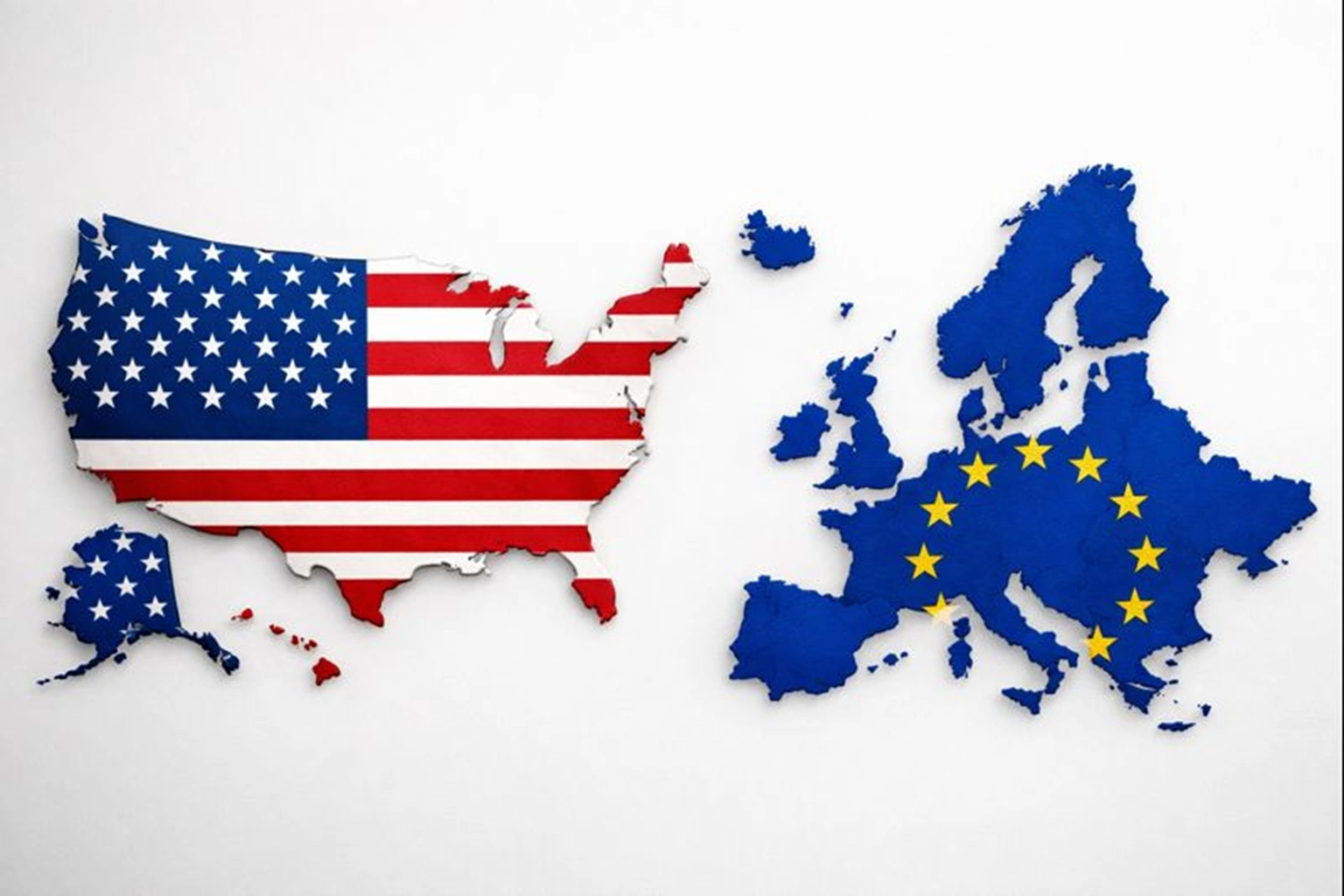
Exporting spirulina to the United States and Europe opens opportunities for high-value, certified organic products, but it also requires meticulous compliance with international food safety and documentation standards. The demand for USDA Organic, EU Organic, and GMP-certified spirulina continues to grow as global consumers seek cleaner, sustainable, and vegan protein sources. However, entry into these regulated markets demands a deep understanding of certifications, testing requirements, packaging methods, and logistical documentation.
To succeed in exports, farms must adopt automation, HACCP protocols, and quality traceability systems from cultivation through post-processing. The ability to deliver contamination-free, high-protein spirulina consistently is what distinguishes successful exporters from small-scale producers.
For detailed guidance on scaling production, visit The Ultimate Guide to Mass Producing Spirulina: Key Steps for Commercial Success.
Understanding Market Demand and Global Growth Trends
The global spirulina market is expected to surpass USD 500 million by 2026, driven by demand in nutraceuticals, functional foods, cosmetics, and pharmaceuticals. The United States and Europe account for nearly 60% of global consumption, with a clear shift toward organic, chemical-free, and traceable sources.
| Region | 2025 Market Size (Estimated) | Key Drivers | Import Notes |
| United States | USD 250+ million | Rising demand for natural protein, FDA-certified superfoods | Strong retail supplement market (Amazon, Whole Foods) |
| Europe | USD 180+ million | Emphasis on vegan nutrition and sustainability | Requires EU Organic and GMP certifications |
| Germany & France | Major importers | Preference for certified organic suppliers | Buyers demand strict COA and lab compliance |
| UK & Netherlands | Growing markets | Sustainable and climate-positive products | Require carbon and water footprint transparency |
To explore global expansion insights, refer to Market Trends and Opportunities for Commercial Spirulina Farming.
Essential Certifications for Export
International certifications ensure trust and legal compliance in the export market. Failure to comply can result in rejection at customs or permanent bans.
1. USDA Organic Certification (For US Market)
- Prohibits synthetic fertilizers, pesticides, and GMOs.
- Mandates traceability from input sourcing to final packaging.
- Requires annual third-party audits from accredited USDA agencies.
- Farms must maintain clean records, culture logs, and batch-level traceability.
2. EU Organic Certification (For European Market)
- Governed by European Commission Regulation (EC) No. 834/2007.
- Prohibits use of urea, chemical fertilizers, and unapproved nutrients.
- Requires complete segregation between organic and non-organic production.
- Mandatory certification renewal and inspection every year.
3. HACCP, GMP, and ISO 22000
- HACCP ensures risk-based safety checks from cultivation to packing.
- GMP guarantees standardized processes, hygiene, and facility design.
- ISO 22000 integrates food safety management for global acceptance.
To understand testing and compliance processes, visit Spirulina Quality Control in Mass Production: Ensuring Consistency and Safety.
Laboratory Testing, COA Standards, and Compliance
Every batch intended for export must undergo laboratory testing to meet international COA parameters. Testing ensures consistency in nutrients, pigments, and absence of contaminants.
| Parameter | Standard | Export Benchmark | Example Result |
| Protein | ≥ 60% | 65–70% | 65.5% |
| Moisture | ≤ 9% | ≤ 7% | 6% |
| Phycocyanin | ≥ 10% | ≥ 15% | 18.4% |
| Lead | ≤ 0.2 µg/g | ≤ 0.15 µg/g | 0.11 µg/g |
| Salmonella, E. coli | Absent | Absent | Absent |
| Aflatoxins | < 1 ppb | < 1 ppb | Absent |
Each COA must accompany the exported lot and match product packaging details. Many US and EU buyers also request additional testing for microplastics, PAHs (Polycyclic Aromatic Hydrocarbons), and PCB residues.
Packaging and Storage for Export
Proper packaging ensures spirulina maintains its nutrient profile and color through long transit times. Temperature, moisture, and oxygen exposure are the key risks during shipment.
| Packaging Component | Recommended Standard | Key Purpose |
| Primary Packaging | Aluminum-laminated, vacuum or nitrogen-flushed | Prevents oxidation and moisture exposure |
| Secondary Packaging | Corrugated export boxes or fiber drums | Provides impact resistance during transport |
| Labeling | Must include COA details, certification logos, origin, and batch ID | Ensures traceability and regulatory compliance |
| Container Material | SS 316 / HDPE food-grade | Avoids contamination and chemical leaching |
For designing compliant facilities, visit How to Build a HACCP-Compliant Spirulina Facility.
Export Logistics and Documentation Workflow
Exporting spirulina involves meticulous documentation to satisfy both customs and organic certification boards.
Mandatory Documents
- IEC (Import Export Code) issued by DGFT (India).
- Phytosanitary Certificate confirming the product is contaminant-free.
- Certificate of Origin issued by the local Chamber of Commerce.
- Organic Transaction Certificate validating organic compliance per batch.
- Bill of Lading, Commercial Invoice, and Packing List for logistics clearance.
Recommended Practices
- Digitize all records using ERP systems for traceability.
- Maintain temperature logs during transit.
- Use exporters’ bonded warehouses to avoid humidity exposure.
- Conduct pre-shipment testing for COA renewal before customs clearance.
Key Challenges Faced by Exporters
- High Certification and Audit Costs: USDA and EU renewals cost ₹2–5 lakhs annually.
- Contamination Risks: Extended production increases microbial and heavy metal risks. (Identifying & Preventing Microbial Contaminants in Spirulina)
- Complex Customs Procedures: Requires experienced logistics partners familiar with nutraceutical exports.
- Shelf Life Management: Long journeys necessitate nitrogen flushing and sealed foil packaging.
- Market Competition: Asian suppliers compete heavily on price; Indian exporters can differentiate through organic integrity.
Strategies for Success in International Markets
- Automation & Real-Time Monitoring: Reduces human errors, stabilizes quality, and meets audit expectations. (Automation in Spirulina Farming: How Technology Can Boost Mass Production)
- Partnerships with Certified Laboratories: Ensure consistent COA validation.
- Adopt Traceability Tools: Blockchain-based tracking is gaining traction among European buyers.
- Eco-Friendly Branding: Emphasize renewable energy, water recycling, and low carbon footprint to stand out.
- Bulk Export Readiness: Maintain large production capacities (3+ acres) for consistent supply contracts.
For operational integration and scaling solutions, refer to Challenges and Solutions in Scaling Spirulina Farming for Mass Production.
FAQs
1. Which certifications are mandatory for spirulina export to the USA?
USDA Organic, HACCP, and COA compliance are mandatory. GMP certification enhances buyer trust but isn’t legally required.
2. Can farms export to Europe without EU Organic certification?
No. EU buyers require valid certification, detailed traceability records, and product labeling compliant with EC No. 834/2007.
3. How do farms maintain heavy metal compliance?
Use borewell or RO-treated water, stainless steel infrastructure, and avoid untested nutrient sources. Regular COA testing prevents contamination breaches.
4. What is the price range for export-quality organic spirulina?
Bulk organic spirulina powder sells between USD 20–35/kg, depending on purity, phycocyanin levels, and certification coverage.
5. What factors influence shipment success?
Accurate documentation, nitrogen-flushed packing, verified COA, and reliable cold chain logistics ensure successful clearance and delivery.
6. How long does certification approval take?
Initial certification may take 3–6 months, including audits and lab validations. Annual renewals are faster once systems are compliant.
Conclusion
Exporting spirulina to the US and European markets represents a lucrative opportunity for certified organic producers willing to maintain strict quality and safety standards. These regions reward farms that demonstrate transparency, consistency, and sustainable practices. Success depends on mastering certification protocols, ensuring contamination-free production, and leveraging automation for traceability and scale.
By combining robust quality control, digital documentation, and sustainable packaging, Indian spirulina producers can confidently establish themselves as global suppliers in the booming nutraceutical and superfood markets. Continuous investment in testing, infrastructure, and innovation will ensure not just compliance—but leadership—in international spirulina exports.
Table Of Contents